The 2026 Financial Landscape
As we venture into the year 2026, the financial landscape has undergone significant transformation, particularly within the realm of cryptocurrency.
Bitcoin, once viewed as a speculative asset, has solidified its position as a cornerstone of the digital economy.
The surge in interest and investment in Bitcoin can be attributed to various factors, including increased institutional adoption, technological advancements, and a heightened awareness of the potential of decentralized finance (DeFi).
Institutional investors, including major hedge funds and publicly traded corporations, have increasingly allocated a portion of their portfolios to Bitcoin.
This transition from skepticism to confidence reflects a broader recognition of Bitcoin as a viable store of value, akin to gold. Consequently,
Bitcoin’s market capitalization has seen exponential growth, fostering a bullish sentiment among both retail and institutional investors.
The regulatory environment has also evolved, as governments around the globe have begun to establish clearer frameworks for cryptocurrency transactions.
This progress is vital in providing the legal certainty that investors seek, thereby facilitating further institutional participation.
In 2026, many nations have embraced cryptocurrency regulations that prioritize consumer protection while promoting innovation within the sector.
Technological advancements, such as the implementation of the Lightning Network, have further enhanced Bitcoin’s scalability and transaction efficiency.
This prioritization of technology has improved user experience and made Bitcoin more applicable for everyday transactions.
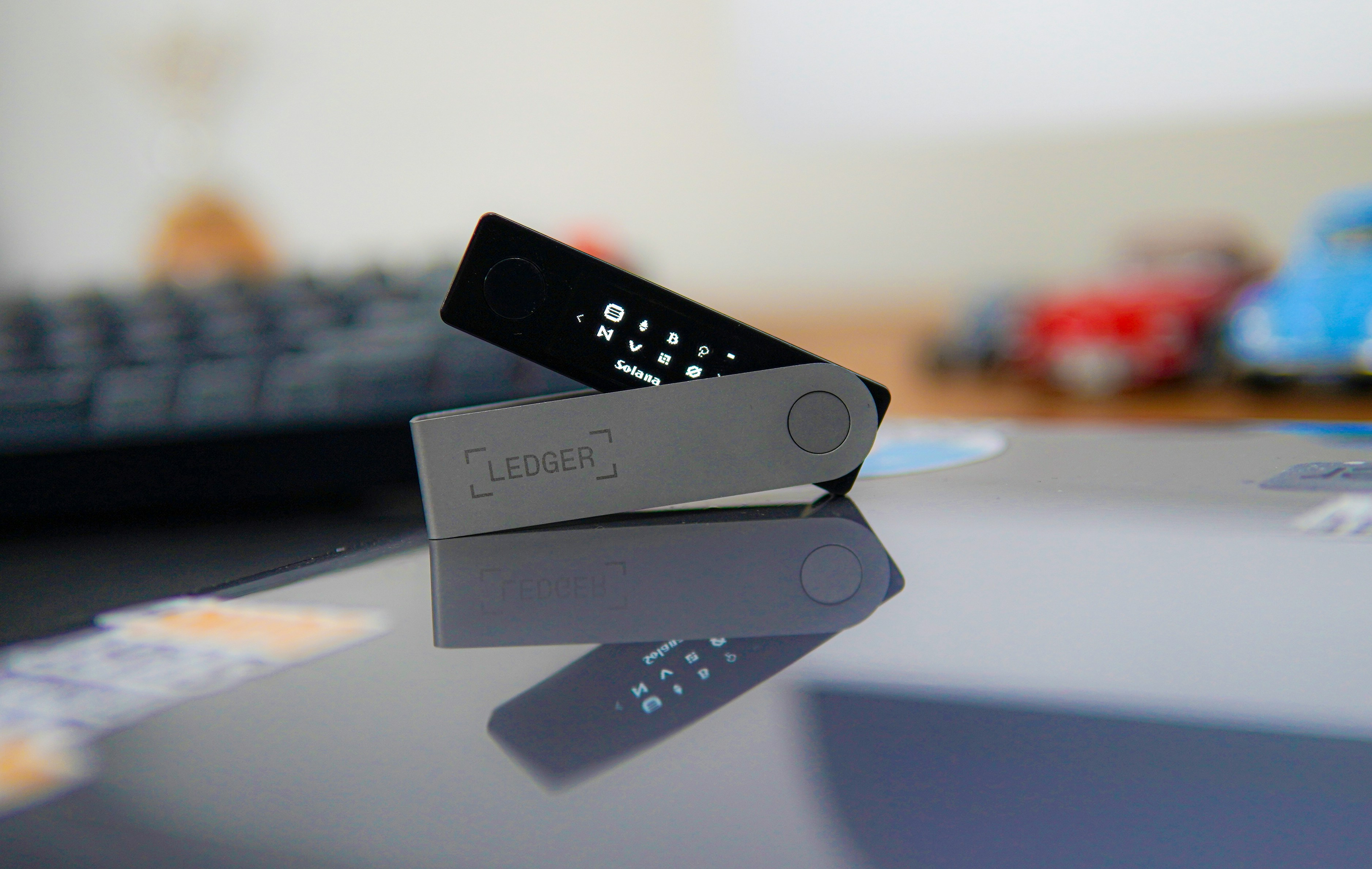
Additionally, the proliferation of security measures and improved wallet technologies have diminished past concerns regarding the safe storage of digital assets.
Being at the forefront of financial innovation, Bitcoin’s resilience and adaptability in this evolving landscape underscores its relevance.
As traditional financial systems grapple with challenges such as inflation and market volatility,
Bitcoin continues to emerge as a preferred option that attracts not just tech enthusiasts but also seasoned investors recognizing its unique attributes.
From Speculation to Global Settlement: The 2026 Reality
As we navigate through the year 2026, Bitcoin has undergone a significant transformation from its origins as a speculative asset to a leading method for global settlements.
This evolution is indicative of the cryptocurrency’s increasing acceptance across diverse sectors, substantiated by a range of emerging use cases that have expanded its utility far beyond mere investment.
Initially perceived primarily as a volatile investment choice, Bitcoin’s reputation has matured, fueled by its enhanced stability and lower transaction costs.
Businesses, financial institutions, and even some governments are increasingly adopting Bitcoin for various financial transactions and cross-border remittances.
This shift has been supported by advancements in blockchain technology, which have improved transaction speeds and security, making Bitcoin a more attractive option for organizations looking for reliable and efficient financial solutions.
Another dimension to this evolution is the changing regulatory landscape surrounding cryptocurrencies.
As governmental bodies and regulatory agencies worldwide ramp up their oversight, frameworks have begun to emerge that validate Bitcoin’s use as a functional currency.
Regulatory approval has enabled traditional financial institutions to engage with Bitcoin, embedding it deeper into the financial ecosystem.
This has, in turn, nurtured a climate of trust and facilitated broader implementations in several sectors, including logistics, real estate, and e-commerce.
Moreover, the advent of smart contracts and interoperability with traditional financial systems has catalyzed Bitcoin’s integration into payment mechanisms for goods and services.
In 2026, it is clear that Bitcoin has not only survived but thrived, establishing itself as the gold standard of cryptocurrency.
This sustained momentum speaks volumes about its potential role in future economic frameworks, setting an essential precedent for other digital assets.
Why Bitcoin is the ‘Digital Gold’ of the Modern Era
As Bitcoin continues to solidify its position in the financial landscape, it is increasingly referred to as the ‘digital gold’ of the modern era.
This characterization stems from its unique attributes that mirror those of physical gold, particularly in terms of its utility as a store of value.
The inherent scarcity of Bitcoin—the total supply is capped at 21 million coins—has positioned it as a deflationary asset.
This limited supply ensures that, unlike fiat currencies that can be printed at will, Bitcoin’s value is less susceptible to inflationary pressures, making it an attractive option for those looking for stability during turbulent economic times.
Institutional adoption plays a crucial role in reinforcing Bitcoin’s reputation as digital gold.
Institutional investors, including hedge funds and family offices, have increasingly allocated portions of their portfolios to cryptocurrencies over recent years.
This shift is indicative of a growing recognition of Bitcoin’s potential to serve as a hedge against economic uncertainty.
Notably, the introduction of Exchange-Traded Funds (ETFs) that track Bitcoin has facilitated greater market participation from both retail and institutional investors.
The availability of Bitcoin ETFs has enhanced its legitimacy, providing a regulated means for investors to gain exposure to this innovative asset.
Additionally, Bitcoin’s decentralized nature sets it apart from traditional financial systems.
It operates on a peer-to-peer network that reduces reliance on central banks and government intervention, factors often associated with economic instability.
This independence allows Bitcoin to maintain its value amidst global fluctuations, further solidifying its status as digital gold.
Ultimately, the combination of Bitcoin’s scarcity, institutional adoption, and its decentralized framework emphasizes its role as a reliable store of value, capable of withstanding economic fluctuations and offering a sanctuary for investors seeking security in uncertain times.
Security and Decentralization: The Unbeaten Pillars
In the ever-evolving landscape of cryptocurrency, Bitcoin continues to set the benchmark for others, primarily due to its robust security and unwavering decentralization.
In 2026, the heightened focus on these aspects has only solidified Bitcoin’s status as the gold standard of crypto.
Security is paramount in the digital financial world, where risks have often overshadowed individual investments.
Bitcoin employs a decentralized ledger, known as the blockchain, which ensures that all transactions are recorded transparently and immutably.
This technology has made it exceedingly difficult for malicious actors to manipulate or compromise the network, effectively creating a fortress of security around the asset.
Technological advancements, including the emergence of Layer 2 solutions, have further enhanced Bitcoin’s security and transaction efficiency.
These protocols allow for faster transaction processing without congesting the main blockchain, thus maintaining a high level of security while increasing scalability.
This improvement not only addresses the complaints regarding Bitcoin’s slower transaction speeds compared to some alternative cryptocurrencies but also reinforces the asset’s integrity as transaction data remains securely appended to the blockchain.
Furthermore, the principle of decentralization is at the core of Bitcoin’s philosophy.
The absence of a central authority prevents any single entity from exerting undue control over the network, which cultivates an ecosystem of trust among users.
In an age where centralized financial institutions face scrutiny over data leaks and security breaches, Bitcoin’s decentralized nature emerges as a significant advantage, enabling individuals to have full control over their assets.
As Bitcoin continues to adapt and improve through technological innovations, its foundational pillars of security and decentralization remain steadfast, ensuring its place at the forefront of cryptocurrency in the years to come.
A Forward-Looking Statement for 2027
As we reflect on the evolution of Bitcoin throughout 2026, it is evident that this cryptocurrency has solidified its status as the gold standard within the digital asset space.
Rapid technological advancements, increased regulatory clarity, and wider acceptance among both individuals and institutions have all contributed to Bitcoin’s resilient position.
These factors not only reinforce Bitcoin’s reliability but also underscore its role as a hedge against inflation and a store of value in uncertain economic conditions.
Looking ahead to 2027, we can anticipate several promising trends that may shape the future of Bitcoin.
Continued improvements in blockchain technology are likely to enhance transaction speed and scalability, which could pave the way for broader adoption in everyday commerce.
Moreover, the development of innovative financial products based on Bitcoin, such as exchange-traded funds (ETFs), may further legitimize its status as an asset class, attracting traditional investors who were previously hesitant.
The growing focus on sustainable mining practices and the integration of renewable energy sources within the Bitcoin mining ecosystem can also be expected to gain momentum.
As environmental concerns become increasingly relevant, the shift toward sustainability may improve Bitcoin’s public perception and help quell criticisms surrounding its energy consumption.
In conclusion, Bitcoin’s journey in 2026 has set a strong foundation for its future trajectory.
The active participation of institutional investors, technological advancements, and potential regulatory developments will likely influence its evolution as we approach 2027 and beyond.
Stakeholders in the cryptocurrency space should remain vigilant, attentive to these trends and their implications, as they could redefine Bitcoin’s role in the global financial landscape.
The next phase in Bitcoin’s evolution will undoubtedly continue to capture the interest of investors, users, and analysts alike.